About
Why a macaw drinks coffee
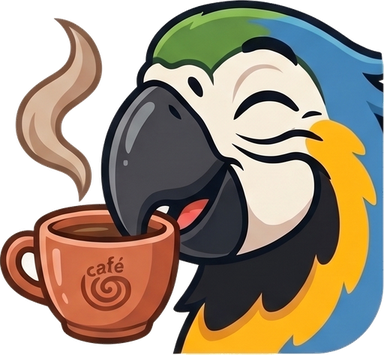
The blue-and-gold macaw
The arara-canindé is blue and gold, Brazilian, loud and hard not to notice. It gives the system its name, its colours and its logo — and the navy, gold and green you see on every screen come from its feathers.
The name also says where the system is from. Canindé speaks Portuguese, issues Brazilian NFC-e invoices, understands a 10% service charge and knows what a comanda is. It is not a foreign system translated afterwards.
What it believes
Fewer screens per task
Closing a sale should not mean changing page three times. Payment happens where the sale already was.
It speaks the house’s language
Comanda, balcão, sangria, cortesia, para viagem. The system calls things by the names the team already uses.
Credit goes to whoever did it
The report credits whoever rang the order in, not whoever was logged into the machine. They are different people, and it matters when tips are shared.
Warn, do not block
A stock shortage warns and never refuses an order on its own. Deciding to stop selling is the house’s call.
How it is looked after
A backup every 15 minutes
During service hours the database is dumped every fifteen minutes, encrypted, and shipped off the server into a vault that does not accept deletions.
A restore rehearsed every week
Once a week, on another machine, the newest backup is downloaded, decrypted and restored — and the test only passes if the coffee shop is actually in there.
Tax invoices kept for 11 years
Every authorised XML is archived encrypted for 132 months, the period set by Ajuste SINIEF 2/2025. An old invoice comes back by its access key.
The database has its own life
A system update cannot restart, recreate or reconfigure the database. That is not a convention — it is how the deploy is built.
The engine room
A Go backend on PostgreSQL, a React web client, a React Native app, live updates over server-sent events, and three separate environments — development, staging and production — behind a single hardened server.